The infection has been linked to thousands of babies being born with underdeveloped brains.
Some areas have declared a state of emergency, doctors have described it as “a pandemic in progress” and some are even advising women in affected countries to delay getting pregnant.
But there is much we do not know.
What are the symptoms of Zika?
Deaths are rare and only one-in-five people infected is thought to develop symptoms.
These include:
mild fever
conjunctivitis (red, sore eyes)
headache
joint pain
a rash
A rare nervous system disorder, Guillain-Barré syndrome, that can cause temporary paralysis has been linked to the infection.
There is no vaccine or drug treatment so patients are advised to rest and drink plenty of fluids.
But the biggest concern is the impact it could have on babies developing in the womb and the surge in microcephaly.
What is microcephaly?
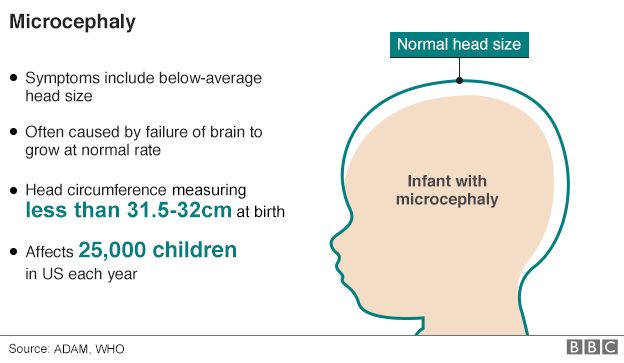
It is when a baby is born with an abnormally small head, as their brain has not developed properly.
The severity varies, but it can be deadly if the brain is so underdeveloped that it cannot regulate the functions vital to life.
Children that do survive face intellectual disability and development delays.
It can be caused by infections such as rubella, substance abuse during pregnancy or genetic abnormalities.
Some babies who died had the virus in their brain and it has been detected in placenta and amniotic fluid too.
Is it safe to try for a baby?
Some governments have advised women to delay getting pregnant until more is known.
Experts now believe Zika is linked to a broader set of complications in pregnancy, including miscarriage, stillbirth, premature birth and eye problems.
The US Centres for Disease Control says Zika lingers in the blood for about a week and can be spread by sexual intercourse.
“The virus will not cause infections in a baby that is conceived after the virus is cleared from the blood,” it says.
“There is currently no evidence that Zika-virus infection poses a risk of birth defects in future pregnancies.”
The WHO advises couples practice safer sex or abstain for at least eight weeks if they are returning from Zika-affected areas. If the man in the couple planning a pregnancy develops Zika symptoms, then this period of abstinence or safe sex should be extended to six months.
Why is it a public health emergency?
The WHO is worried that Zika is spreading far and fast, with devastating consequences.
Declaring Zika as a “public health emergency of international concern” singles the disease out as a serious global threat. It puts it in the same category of importance as Ebola.
Unlike Ebola, where the focus was on boots on the ground, with Zika the attention will be on understanding the link with microcephaly.
The WHO will co-ordinate countries’ health agencies to conduct trials to determine the risk.
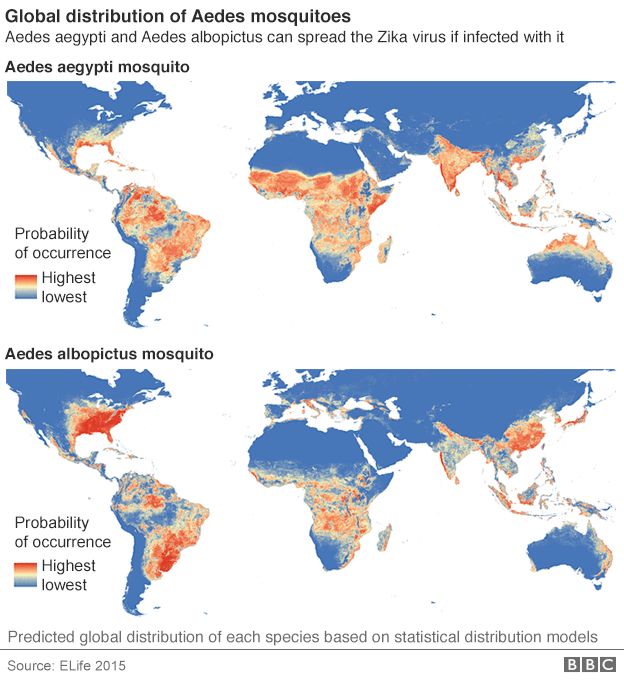
It will also encourage efforts to stop the mosquito that spreads the disease as well as finding a treatment or a vaccine to stop the virus.
The work will depend on money donated by countries.
Where did Zika come from?
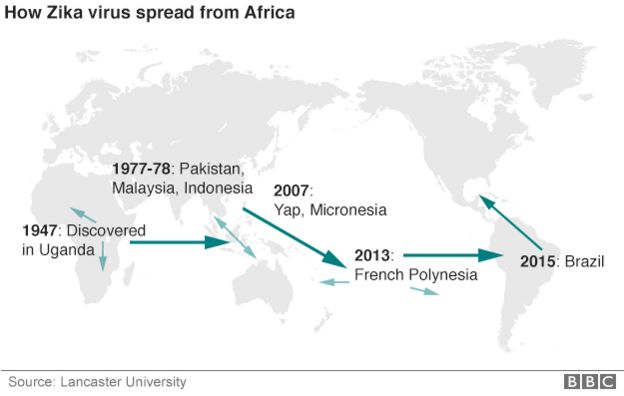
It was first identified in monkeys in Uganda in 1947.
The first human case was detected in Nigeria in 1954 and there have been further outbreaks in Africa, South East Asia and the Pacific Islands.
Most were small and Zika has not previously been considered a major threat to human health.
But in May 2015 it was reported in Brazil and has since spread rapidly.
Meanwhile, efforts are under way to kill the mosquitoes with insecticide.
Zika vaccine
US experts from the National Institutes of Health say trials of a Zika vaccine will likely start in September this year. Depending on the results, larger trials could begin at the start of 2017.
“The very, very best scenario” would be a vaccine ready for the general public by the beginning of 2018, they say.