Back in the springtime, when Covid-19 was tightening its grip on the UK, the BBC spoke to a number of people whose jobs were facing the axe as a result of the virus.
So how have they fared on the jobs front in the past six months? The BBC went back to talk to them to find out how they are getting on.
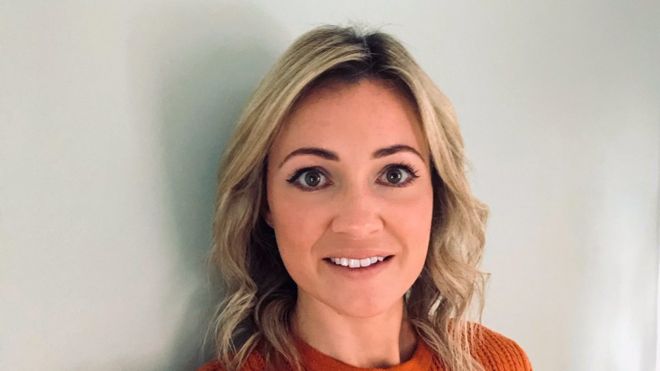
When Katherine Densham first spoke to the BBC at Exeter airport in early March, she was understandably upset.
The airline Flybe, her employer of 13 years, had just collapsed into administration. Cabin crew member Katherine and the good friends she’d made through work were being made redundant.
Flybe was described as one of the first corporate casualties of the coronavirus outbreak. A few weeks later, lockdown restrictions were brought in and vast swathes of the UK economy ground to a halt
Half a year later, Katherine’s job search continues. At Flybe, she worked part-time on set days. The youngest of her three children is only two and therefore not yet entitled to free childcare.
Finding something similar in her local area has seemed impossible.
“You’d think I’d have transferrable skills, but no-one wants to take on part-time staff,” she says. “A lot of the companies I looked at had halted recruitment, because they just didn’t know what would happen.
“Other jobs were minimum wage, meaning it would cost me more in childcare to return to work. I used to be well paid, it’s hard to find anything on the same level without going back and retraining.”
Her husband works in the hospitality sector. He was furloughed and has now returned to work. But Katherine is finding it hard to be optimistic about her situation.
“I just feel really lost. I’ve started decorating the house to keep myself busy. The government keep saying about supporting young people, but what about people who aren’t very young any more? I couldn’t afford to go back to college to retrain now.”